How Smarter Tools Are Changing the Way B2B Brands Find Their Next Customer
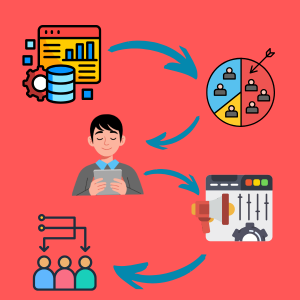 Marcus runs marketing for a mid-sized logistics software company. A year ago, his team was doing things the old way. They would build a list of companies that seemed like a good fit based on industry and company size, push those contacts into an email sequence, run some LinkedIn ads to a broad audience, and then wait to see what stuck. It was slow, expensive, and honestly a little exhausting. Their cost per lead was high, their conversion rates were low, and the sales team kept complaining that the leads they were getting were not the right ones. Then Marcus’s company started using AI tools to power their demand generation strategy. Within six months, his team was spending less, reaching more of the right people, and handing off better leads to sales. The difference was not magic. It was data, automation, and smarter targeting, all powered by artificial intelligence.
What Is Demand Generation, and Why Does It Need AI?
Demand generation is the process of creating awareness and interest in your product or service among people who might eventually buy it. It is everything that happens at the top of the sales funnel, before a prospect ever talks to a salesperson. That includes things like content marketing, paid advertising, social media, email campaigns, and SEO. The goal is simple: get the right people to notice you, learn about you, and start to trust you.
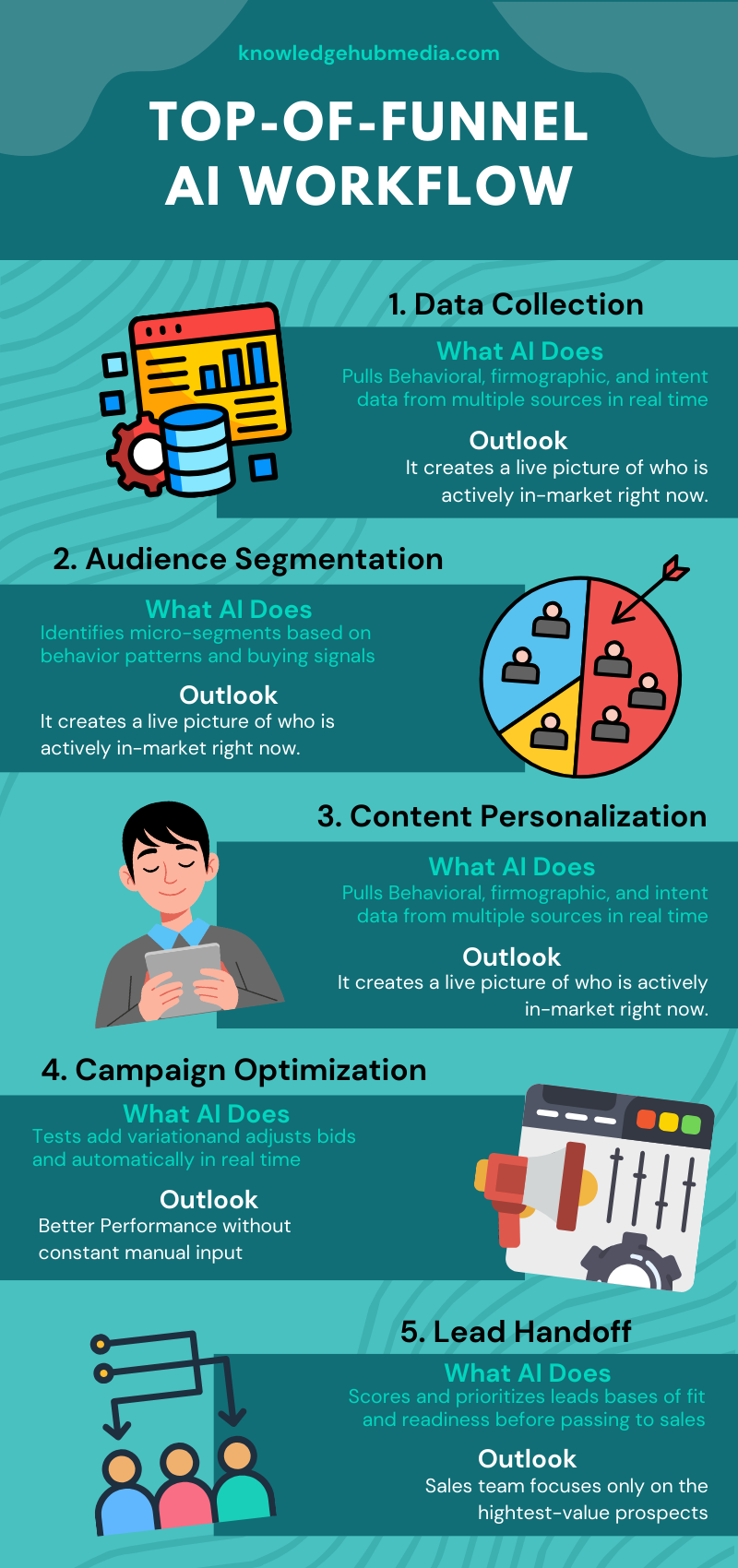
The problem with traditional demand generation is that it involves a lot of guesswork. Marketers pick an audience, build a campaign, push it out, and then analyze the results weeks later to figure out what worked and what did not. It is reactive. AI changes the game by making the whole process proactive. Instead of guessing who might be interested, AI tools analyze behavioral data to find people who are already showing signs of interest. Instead of waiting weeks to see results, AI can optimize campaigns in real time. And instead of building one generic message for a broad audience, AI can personalize content at scale so each person sees something relevant to them.
Smarter Audience Segmentation
One of the biggest ways AI is changing demand generation is through audience segmentation. In the past, marketers would segment their audience using basic filters like job title, company size, or industry. That is a start, but it is pretty blunt. Two people with the same job title at similar companies can have completely different needs, budgets, and timelines.
AI tools go much deeper. They analyze patterns in how people behave online, what content they engage with, what pages they visit, how long they stay, and what they do next. From all of that data, AI can build audience segments that are far more specific and accurate than anything a human could put together manually. This means your ads, emails, and content are reaching people who are genuinely likely to care about what you are offering, not just people who fit a broad demographic profile.
According to Salesforce’s State of Sales report, 83% of sales teams using AI saw revenue growth, compared to just 66% of teams that were not using it. That gap is significant, and a big part of it comes down to reaching the right people in the first place.
Campaign Optimization That Never Sleeps
Another huge advantage of AI in demand generation is real-time campaign optimization. Traditional digital advertising requires a marketing team to monitor performance, identify what is working, make manual adjustments, and then wait to see if those adjustments helped. This process can take days or even weeks, which means you can burn through a lot of budget on under performing ads before anyone catches it.
AI-powered advertising platforms can make those adjustments automatically, in real time, around the clock. They test different versions of ad copy and creative simultaneously, shift budget toward the combinations that are performing best, and pull back on the ones that are not. They also adjust bids based on who is most likely to convert at any given moment. The result is that your ad budget works harder and goes further than it ever could with a manual approach.
The same logic applies to email marketing. AI tools can determine the best time to send a message to each individual on your list, which subject line is most likely to get opened, and what content is most likely to drive a click. All of this happens automatically, without a team member having to manually test and analyze each variable.
Better Content for the Right People at the Right Time
Demand generation lives and dies by content. If the content you put in front of a prospect does not speak to their specific situation, they are going to ignore it. This has always been one of the hardest parts of top-of-funnel marketing: how do you create content that feels personal when you are trying to reach thousands of people at once?
AI solves this by making personalization scalable. It can take a single piece of content and automatically adapt it for different industries, roles, company sizes, or stages of the buying journey. It can analyze which topics are driving the most engagement and recommend what to write about next. It can even monitor how prospects interact with your content and adjust what they see based on their behavior. The result is that every prospect feels like they are getting something made just for them, even though your team is not manually customizing anything.
Salesforce. (2025). State of Sales Report, 7th Edition
The Human Element Still Matters
It is easy to hear all of this and wonder if marketers are going to be replaced by AI. The short answer is no. AI is a tool, and like any tool, it is only as good as the strategy behind it. The data still needs to be interpreted by someone who understands the business. The campaigns still need to be built around a compelling message that reflects the brand’s values and voice. And the relationships that ultimately close deals still require real human beings.
What AI does is remove the busywork. It handles the mechanical, repetitive parts of demand generation so that marketing teams can focus on the creative and strategic work that machines cannot replicate. For companies like Marcus’s logistics software business, that shift has been the difference between a marketing operation that feels like it is constantly spinning its wheels and one that is consistently generating pipeline.
Where to Start if You Are New to AI-Driven Demand Generation
If your team has not started using AI tools in your demand generation strategy yet, the good news is that you do not have to overhaul everything at once. Most marketing platforms that B2B companies already use, including tools for email, advertising, and CRM, now have built-in AI features that you can start using right away. The key is to start with one part of your workflow, whether that is audience segmentation, ad optimization, or lead scoring, and measure the impact before expanding.
The companies that will come out ahead in the next few years are the ones that treat AI as a core part of how they operate, not an add-on that gets tested once and forgotten. Demand generation has always been about finding the right people and giving them a reason to care about what you do. AI just makes it possible to do that better, faster, and at a scale that was not realistic before.
Marcus’s story is not unique. Across B2B marketing, teams that have embraced AI-driven demand generation are seeing real results: better leads, lower costs, and stronger alignment with sales. The technology is no longer experimental. It is practical, accessible, and already being used by the companies you are competing against. The question is not whether AI belongs in your demand generation strategy. It is how quickly you can make it work for you.
