
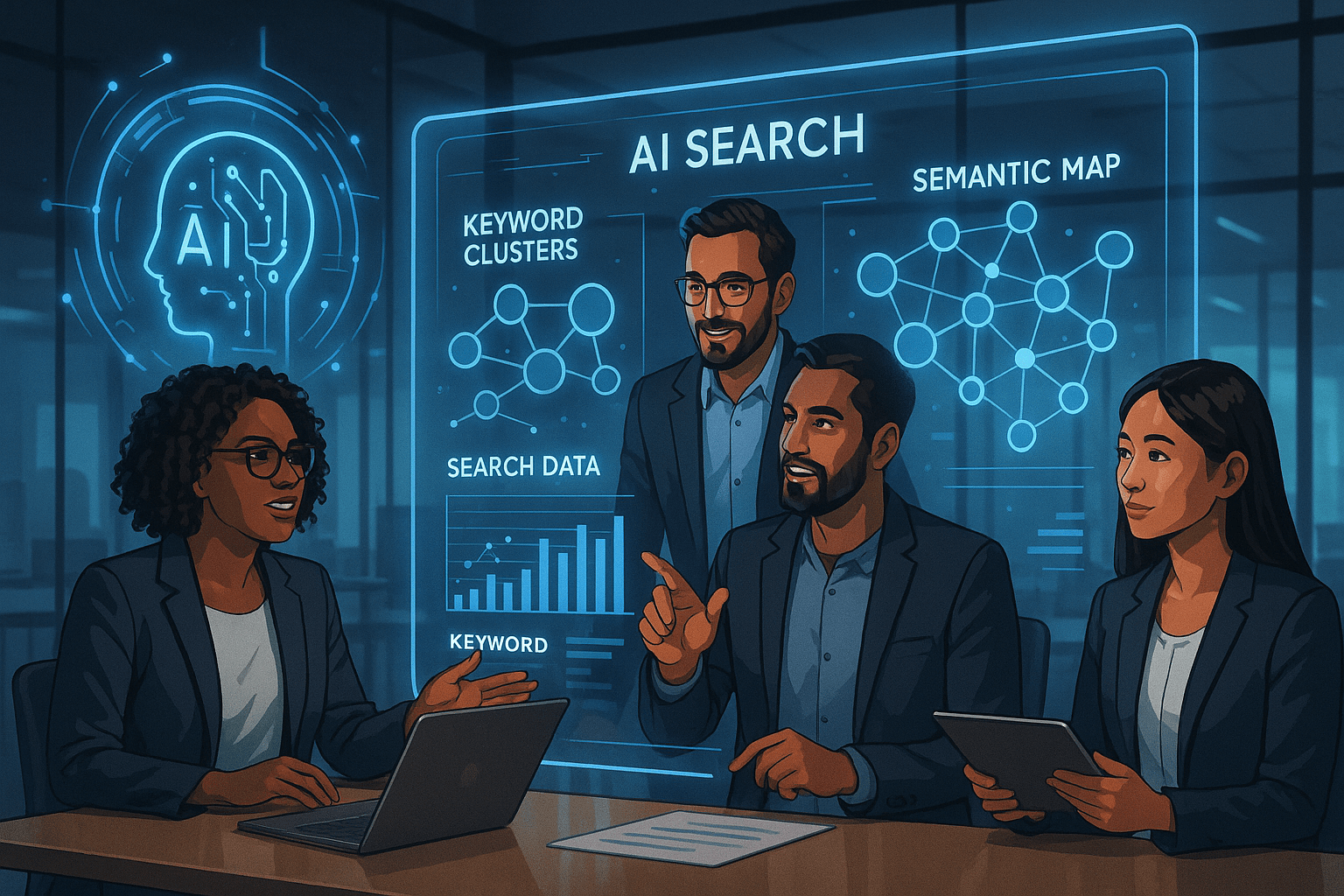
Welcome to the new frontier of SEO, where algorithms have grown up, put on their AI-powered shoes, and run laps around traditional search as we once knew it. If you’re a B2B marketer still clinging to your cherished bucket of keywords and hoping Google will throw you a lifeline, it’s time for a reality check. The explosive rise of AI-driven search has both transformed how prospects find information, and rendered classic SEO playbooks somewhat obsolete.
Organic click rates are shrinking as AI-powered results answer questions before users even think about clicking anything. And if that weren’t enough, traditional ranking factors are quietly taking their sabbatical. The good news? This is your opportunity to leap ahead. B2B marketers and SEO pros who understand and embrace AI-driven search can not only maintain relevance, but also secure superior lead quality and visibility in an era when being “AI-cited” is the new click.
This comprehensive guide is your step-by-step playbook for bridging the gap between classic SEO and the next generation of generative AI search. We’ll cover everything from understanding the nuts and bolts of AI-driven search, through actionable AI-powered keyword and content strategies, to advanced optimization practices, essential ethical frameworks, and best-in-class tools that will help to future-proof your B2B marketing strategy.
Table of Contents
- Understanding AI-Driven Search and Its Evolution
- Why Traditional SEO is Declining and How to Adapt
- Strategic AI-Powered Keyword Research for B2B SEO
- Advanced Content Optimization Techniques for Generative AI Search
- Overcoming Technical and Ethical Challenges in AI Search Optimization
- Leveraging AI Tools and Generative Engine Optimization for B2B Marketers
- Conclusion
- References
Understanding AI-Driven Search and Its Evolution
AI-driven search isn’t merely a shinier version of traditional search, it’s a paradigm shift in how engines understand and serve information. Generative AI search, meanwhile, goes a step further, synthesizing relevant answers and insights from across the web instead of simply listing links. As Brianna Miller of MarTech points out, “AI-driven search is rewriting the rules of engagement. Visibility is no longer just about clicks, it’s about earning trust and being cited where audiences find answers.” Optimizing for large language models (LLMs) is now a critical priority for ambitious marketers, ensuring your content is not only found, but trusted by both machines and humans alike [1].
Government-backed digital experts concur. According to findings from the North Carolina Digital Commons, most searches now produce direct answers without a single click, ushering in the era of Answer Engine Optimization (AEO), where content structure and intent alignment trump old-school keyword densities [2].
Curious about the full spectrum of AI search’s impact? Check out How AI is Changing Search: AEO and SEO Integration for more insight.
Key Differences Between AI-Driven and Traditional Search Engines
Classic search engines worked by matching keywords and ranking pages based on backlinks, plus a dash of mysterious algorithm sauce. AI-powered engines wield natural language processing, deep semantic comprehension, and context analysis to truly understand the user’s intent, which they use to generate a precise, conversational answer.
Google’s own AI research details advances in semantic search and context-driven understanding, moving well beyond matching keywords on a static results page [3]. Backlinko’s 2024 data underscores this trend: More than 60% of online queries are now answered by AI-powered engines [4].
If you’re nostalgic for the days when ranking #7 actually meant something, the State of SEO in the AI Era offers a practical look at the new rules of engagement, and how to survive them.
Enterprise Applications and Trends in AI Search Evolution
Enterprises are no longer dipping their toes in the AI pond, they’re swimming laps. Major organizations now leverage AI-driven search for everything from internal knowledge management to delivering top-tier customer experiences. Whitepapers from Microsoft and Elasticsearch document dramatic improvements, including faster results, highly relevant query handling, and efficient automation that’s left legacy search solutions in the dust. Enterprise searches for terms like “AI driven enterprise search” have seen a whopping 74% trend increase [5].
Smart B2B marketers realize that the path to competitive advantage is paved with context-driven AI, which understands product nuances, adapts to dynamic customer journeys, and personalizes responses. The days of hoping a long-tail keyword gets noticed are over. Instead, those who architect their content for AI comprehension and enterprise consumption will enjoy both higher visibility and better operational efficiency [6].
Why Traditional SEO is Declining and How to Adapt
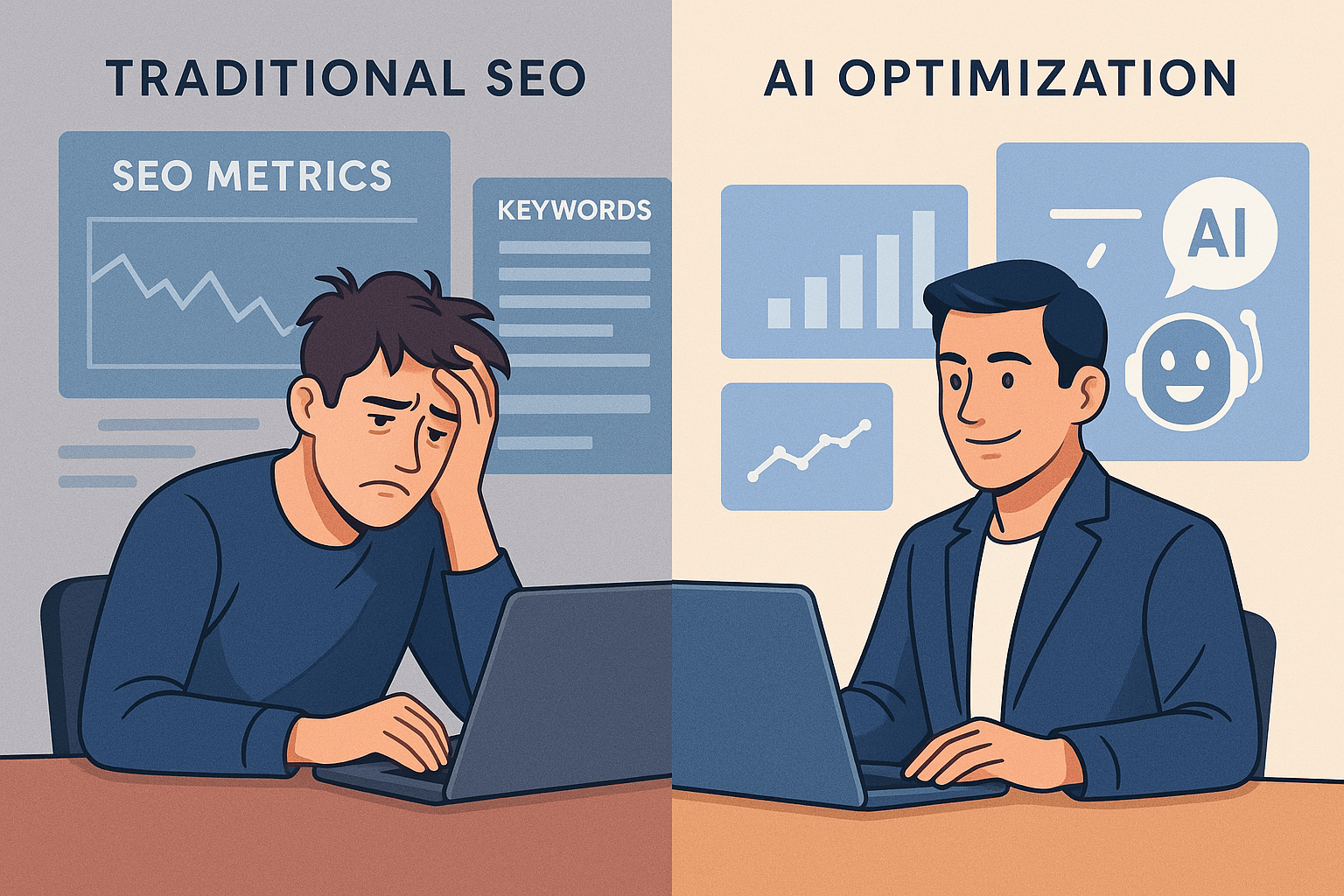
The effectiveness of old-school, keyword-centric techniques is waning, thanks largely to zero-click searches, voice assistants, and AI answer engines that bypass your carefully crafted meta descriptions. In fact, global data from Backlinko and Semrush highlights a market in transition, with trends pointing to less organic click volume but greater competition and emphasis on content quality [4].
SEO thought leader Rand Fishkin recently quipped, “The SEO industry isn’t dying, it’s evolving faster than some even realize.” The key to adaptation? Understanding that search monetization, new ranking factors, and AI-centered optimization aren’t bad news, they’re the next great career accelerator for savvy marketers [7].
The Reality Behind Declining Organic Clicks
A majority of users getting their questions answered without ever clicking a link might sound like a marketer’s nightmare, but here’s the twist. According to MarTech, visitors coming from AI-powered search engines are 4.4 times more likely to convert than traditional search users [1]. So while raw traffic may dip, the traffic you do earn is packed with higher intent and quality.
And this trend isn’t reversing anytime soon. Your focus must shift from obsessing over click-through rates to engineering your content’s eligibility for direct answers, featured snippets, and conversational AI citations where your expertise is showcased.
Integrating Traditional SEO Foundations with AI-Driven Optimization
Adapting doesn’t have to mean scrapping your hard-won SEO knowledge. Hybrid strategies are the key to the future. Classic keyword planning, technical SEO hygiene, site speed, and good-old backlinks are still relevant, but they need to be layered with LLM-oriented content structure, conversational query targeting, and semantic intent mapping [8].
Guidelines published by BrandExtract and Marketing Aid lay out how to weave these approaches together. Start with a solid SEO baseline, then incorporate advanced prompt optimization, first-hand expert content, and the kinds of structured data signals that machines crave [9].
Looking for more detailed info on where exactly to begin? The Blueprint for AI Search Optimization offers actionable frameworks you can start adopting today.
Strategic AI-Powered Keyword Research for B2B SEO
If you’re still laboriously handpicking keywords and praying for page one, it’s time to get acquainted with AI-powered keyword research; a paradigm where clustering, context, and user intent reign supreme. Today, leading solutions harness AI to unearth long-tail variations, multi-intent clusters, and semantic nuances impossible to spot without machine help.
Case studies from Masterful Marketing and Symphonic Digital beautifully showcase the time savings and ranking leaps possible. AI-driven clustering allows B2B marketers to target multiple buyer intents within a single asset, increasing both visibility and signal relevance [10][11]. According to EWR Digital, this not only aids in capturing more voice and snippet searches, it also enables marketers to walk that fine line between breadth and depth [12].
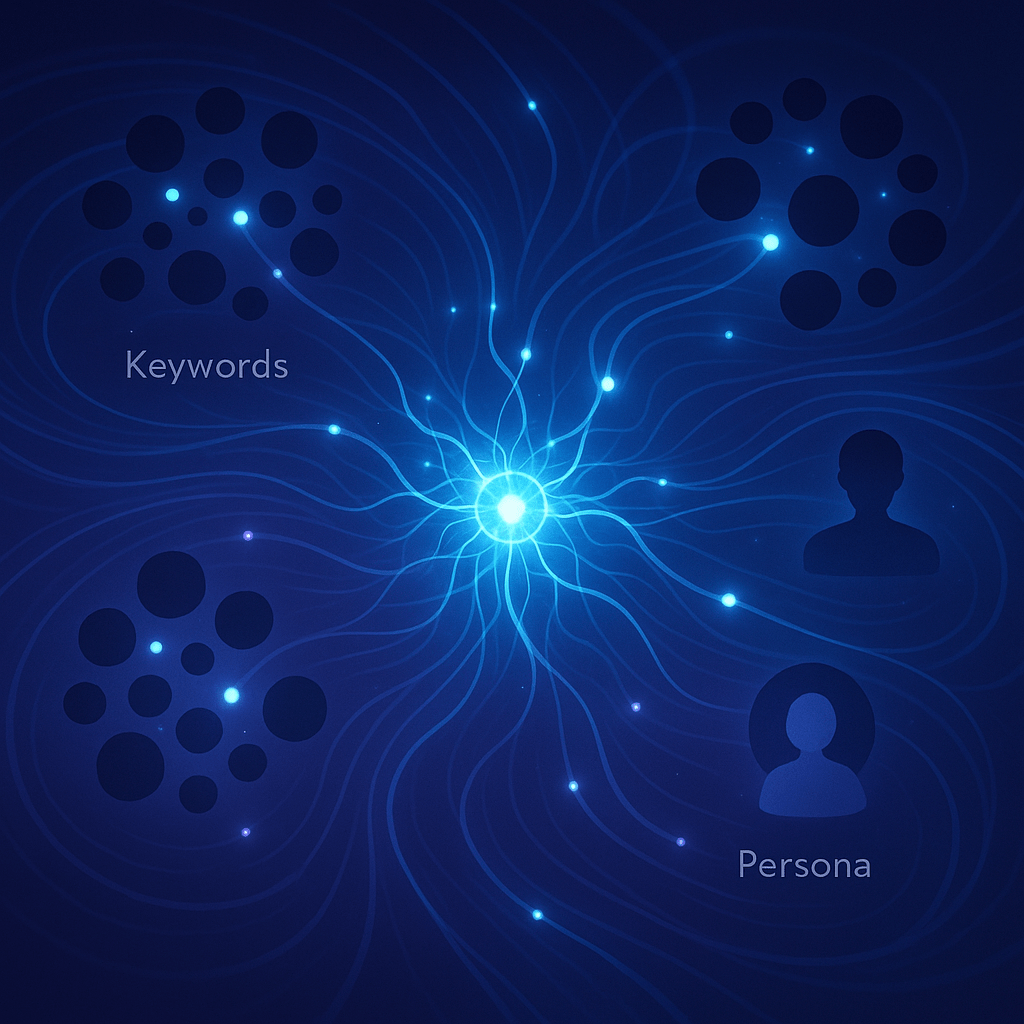
AI-powered tools like SEMrush and Ahrefs have added powerful new tricks to their arsenal, automatically discovering keyword clusters, surfacing semantic siblings, and predicting which groups are most likely to trigger AI citations, voice search wins, or rich results. Marketers using these tools report drastic time reductions, smarter topic modeling, and an improved ability to capture multiple user intents in a single stroke [13][14].
Testimony from leading AI marketing tool providers illustrates that these platforms aren’t just about “more keywords,” they’re about “better keywords.” Think fewer wasted cycles, more meaningful connections, and content that’s not just optimized for search engines, but for the minds behind them.
So what’s the secret to integrating AI into your B2B keyword planning? Combine AI analytics with that irreplaceable human strategy you’ve perfected over the years. Start by feeding AI tools your target buyer personas, journey stages, and core business differentiators. Let it identify hidden insights, then strategically map them to tailored assets [15][16]. SalesHive and Copy.ai case studies reveal that B2B marketers leveraging these approaches see faster market response times, content that resonates across multiple decision-makers, and a measurable impact on lead quality.
Top B2B SEO experts additionally recommend monthly workshops, where AI-generated suggestions are reviewed, refined, and mapped to active campaigns.
Advanced Content Optimization Techniques for Generative AI Search
To win with generative AI, content must be more than just comprehensive, it needs to be structured, original, and dripping with trust signals. Gone are the days when recycling listicles made you popular with Google. Today, schema markup, topical clustering, and genuine first-hand experience are the gold standards for AI comprehension.
Frameworks from Bloomfire and Sagepath Reply emphasize ongoing content improvement, the smart use of structured data, and a steady stream of authenticity, all of which make your site irresistible to AI’s discerning appetite for trust and relevance [17][18].
For a deep dive into structuring your masterpieces, Optimizing Content for AI Search and Agents is well worth a read.
Utilizing Schema Markup and Structured Data
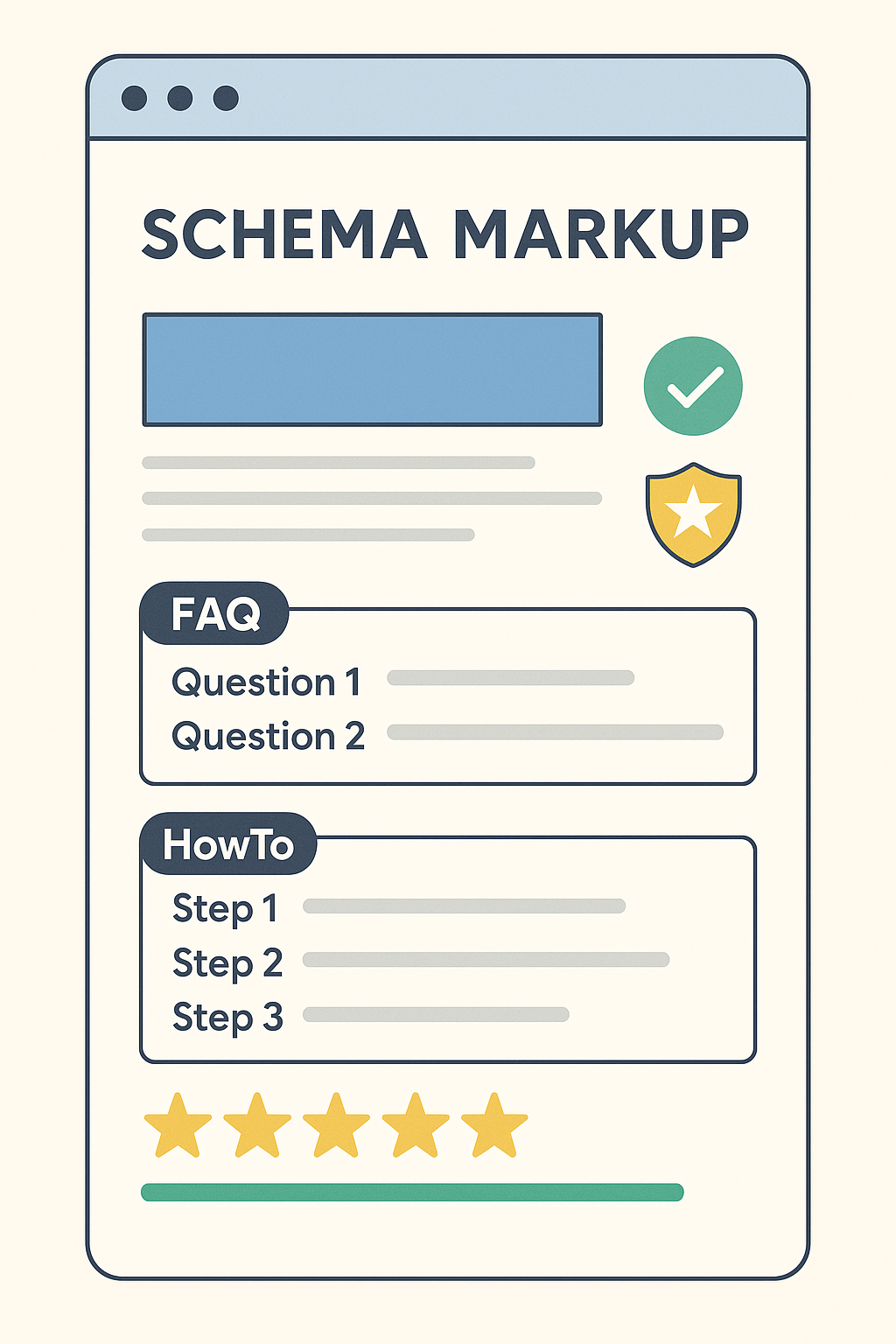
Schema markup isn’t just a technical “nice-to-have” anymore, it’s necessary for appearing in AI-generated answers and direct citations. Markup types like FAQPage, HowTo, and Article schema provide AI with a clear context, making it easier for LLMs and generative platforms to interpret and serve your insights in responses [19].
Checklists from AIOSEO and Marketing Aid outline the basics. Ensure every significant content asset includes proper schema, keep data structures current, and test using widely available validation tools. Statistically, visibility boosts from structured data can be dramatic, with high-quality sites enjoying outsized representation in AI-driven search snippets and direct answers.
Building Topic Clusters and Demonstrating Expertise
AI engines don’t just want content, they want context. Building topic clusters (i.e. groups of interrelated content pieces) signals to AI systems that your website has domain authority and depth. Xponent21’s case studies highlight how robust content architectures lead to higher positioning in generative results, more frequent citations, and greater overall brand trust [20].
The point here is , your expertise needs to be evident. As Brianna Miller underscores, it’s not about who you are, but how clearly you portray authority, trustworthiness, and originality in your field [1]. Author bios, clearly cited sources, and hands-on experience all contribute to your eligibility for AI citation; and not coincidentally, to more human engagement and improved business outcomes as well.
Overcoming Technical and Ethical Challenges in AI Search Optimization
Of course, riding the AI wave isn’t without its riptides. Complexities abound from legacy system integration and data silos to concerns about algorithmic bias and transparency. Digital marketers need more than just motivation, they need frameworks and technical skills to navigate the growing ethical and technical maze of AI adoption [21][22].
Expert insights from Search Engine Land and Emarketer emphasize the necessity of upskilling in fields like natural language processing (NLP), prompt engineering, and robust data management. Technical skill, it turns out, is more essential to SEO than ever before [23][24]. Meanwhile, frameworks for ethical AI, rooted in explainability, transparency, and active bias mitigation, are crucial for earning both machine and human trust.
Technical Skills and Data Quality Imperatives
Gone are the days when learning a bit of HTML would make SEOs feel cutting-edge. Today’s AI-driven landscape demands fluency in NLP, data pipeline management, and critically, identifying and resolving data bias before it’s baked into AI output.
Reports from BigProfiles and Syncfusion detail actionable tactics, such as cross-functional data audits, legacy system modernization, and training programs for modernizing entire marketing teams [25]. Those who invest in structured data pipelines, robust analytics, and ongoing learning cycles find themselves not only future-ready, but also earning more frequent citations in generative search environments.
Ethical AI Use and Explainability in SEO
Trust isn’t built overnight, especially in the world of AI. Studies published by Search Engine Land emphasize the need for transparent processes, like documenting how AI models make decisions, proactively identifying and reducing bias, and ensuring processes are explainable even to those who don’t moonlight as data scientists [23].
Testimonials from recognized AI and SEO professionals reinforce that transparent, explainable AI is not only an ethical best practice, but it’s increasingly a business imperative as regulations and public expectations grow stricter by the day. Marketers must adopt documented ethical frameworks, foster a culture of accountability, and implement top-notch explainability standards to seize opportunities and sidestep pitfalls.
Leveraging AI Tools and Generative Engine Optimization for B2B Marketers

The right tools don’t just amplify your efforts, they redefine what’s possible. In B2B SEO, AI-powered tools are unlocking faster content creation, precision optimization, and powerful competitive gap analysis. According to SalesHive, companies using AI SEO platforms have achieved 42% faster content turnaround and 35% growth in organic traffic; measurable impact that even the most jaded CMO can’t deny [26].
Experts at Workshop Digital and Copy.ai further highlight ROI in B2B contexts, demonstrating how AI accelerates lead generation, uncovers high-value search opportunities, and personalizes content at scale without sacrificing quality. If this sounds like sorcery, remember Clarke’s third law (any sufficiently advanced technology is indistinguishable from magic).
Top AI Tools Transforming B2B SEO
Today’s AI-powered SEO ecosystem features game-changers like SEMrush, Ahrefs, Copy.ai, and SalesHive, each blending automation with actionable analytics in their own unique way. User testimonials report remarkable impact. SalesHive customers cite significant lead-quality jumps and reduced manual analysis, while Copy.ai enthusiasts emphasize end-to-end acceleration of ideation, content production, and on-page optimization [27][28].
Feature sets like competitor gap analysis, real-time optimization recommendations, and integrated decision dashboards eliminate guesswork, allowing busy B2B marketers to spend less time crunching numbers and more time growing relationships.
Best Practices for Generative Engine Optimization (GEO)
It’s time now to talk about Generative Engine Optimization (GEO), where the line between traditional SEO and AI-powered content blurs. GEO best practices, outlined in guides by AIOSEO and Sagepath Reply, stress a harmonious blend of strategic human direction and AI-driven adaptability. This means continuously blending technical SEO with LLM-optimized content architecture, embracing multimedia formats to appeal to multi-modal AI engines, and preparing for continuous change as AI search algorithms evolve at unprecedented speed.
Industry forecasts from Local Falcon and Yellowhead echo this approach, predicting a future where GEO and classic SEO don’t just coexist, they create multiplying returns for forward-looking marketers [29][30].
For more info on how to get started with GEO, take a look at The Beginner’s Guide to Generative Engine Optimization.
Conclusion
The AI-driven, generative search revolution is here, and B2B marketers now face both their greatest challenge, and their biggest opportunity yet. With click rates declining but conversion rates for AI-cited content soaring, mastering the intersection of classic SEO and AI-powered optimization is the foundation for future growth.
By embracing advanced keyword research strategies, structuring content for AI comprehension, implementing robust schema and topic clusters, and addressing both technical and ethical challenges with confidence, B2B brands can achieve unparalleled search visibility. So implement the strategies in this playbook, explore the linked guides and case studies, and most importantly, go forth and optimize! There’s no sense in waiting any longer, your next big client is already searching.
References
- Miller, B. (2025). How to optimize your website for AI-powered search. MarTech. Retrieved from https://martech.org/how-to-optimize-your-website-for-ai-powered-search/
- Furr, J. (2025). How AI is Changing Search | DC Help – NC Digital Commons. North Carolina Department of Information Technology. Retrieved from https://digitalcommons.nc.gov/blog/2025/08/01/how-ai-changing-search
- Google AI. (N.D.). Semantic Search Capabilities and NLP Research. Google AI Blog. Retrieved from https://ai.googleblog.com/
- Backlinko. (2024). Is SEO Dead? Search Traffic and AI Search Trends Report. Retrieved from https://backlinko.com/is-seo-dead
- Microsoft. (N.D.). Whitepapers on AI Enterprise Search Solutions. Microsoft and Azure AI Documentation. Retrieved from https://learn.microsoft.com/en-us/azure/search/search-what-is-azure-search
- Elasticsearch. (N.D.). Enterprise AI Search: Case Studies and Trends. Elasticsearch Whitepapers. Retrieved from https://www.elastic.co/enterprise-search/
- Fishkin, R. (2025). The Evolving SEO Landscape. Quoted in Sip & Search Free Meetup and industry interviews.
- BrandExtract. (2025). Adapting to Zero-Click Search: 7 Strategies for AI Search Engine Optimization for Brands. Retrieved from https://www.brandextract.com/Insights/Articles/Adapting-to-Zero-Click-Search-7-Strategies-for-AI-Search-Engine-Optimization-for-Brands/
- Marketing Aid. (2025). AI Search Optimization: SEO for Perplexity, ChatGPT and More. Retrieved from https://www.marketingaid.io/ai-search-optimization/
- Masterful Marketing. (2025). AI Keyword Research Guide. Retrieved from https://masterful-marketing.com/ai-keyword-research/
- Symphonic Digital. (2025). SEO for AI Search: Best Practices. Retrieved from https://www.symphonicdigital.com/blog/seo-for-ai-search
- EWR Digital. (2025). Keyword Optimization for AI Search. Retrieved from https://www.ewrdigital.com/blog/keyword-optimization-ai-search
- SEMrush. (2025). AI Keyword Analytics Documentation. SEMrush Resource Center.
- Ahrefs. (2025). AI-Powered Keyword Cluster Reports. Ahrefs Blog.
- SalesHive. (2025). B2B AI SEO Tools for Higher Rankings. Retrieved from https://saleshive.com/blog/b2b-ai-seo-tools-higher-rankings/
- Copy.ai. (2025). The Role of SEO in B2B. Retrieved from https://www.copy.ai/blog/the-role-of-seo-in-b2b
- Bloomfire. (2025). How to Optimize Content for Generative AI. Retrieved from https://bloomfire.com/blog/how-to-optimize-content-for-generative-ai/
- Sagepath Reply. (2025). Content Optimization for AI Search Engines. Retrieved from https://sagepath-reply.com/blog/digital-marketing/optimize-content-generative-ai-search-engines/
- AIOSEO. (2025). Beginner’s Guide to Generative Engine Optimization (GEO). Retrieved from https://aioseo.com/generative-engine-optimization-geo/
- Xponent21. (2025). Optimizing Content to Rank in AI Search Results: Case Studies. Retrieved from https://xponent21.com/insights/optimize-content-rank-in-ai-search-results/
- Search Engine Land. (2025). AI Search Optimization: Ethical and Technical Challenges. Retrieved from https://searchengineland.com/
- Emarketer. (2025). AI Search Optimization: Retail and Technical Challenges. Retrieved from https://www.emarketer.com/content/ai-search-optimization-latest-challenge-retailers
- BigProfiles. (2025). How SEO Will Evolve in 2025 With Artificial Intelligence. Retrieved from https://bigprofiles.com/en/how-seo-will-evolve-in-2025-with-artificial-intelligence/
- Syncfusion. (2025). AI Query Optimization Technical Blogs. Retrieved from https://www.syncfusion.com/blogs/post/ai-sql-query-optimization-2025
- LinkedIn. (2025). AI-Driven Query Optimization: Revolutionizing Data Management. Professional Thought Leader Blogs. Retrieved from https://www.linkedin.com/pulse/ai-driven-query-optimization-revolutionizing-data-management-desai-nquqf
- SalesHive. (2025). ROI of AI Tools in B2B SEO. Retrieved from https://saleshive.com/blog/b2b-ai-seo-tools-higher-rankings/
- Workshop Digital. (2025). AI in B2B Marketing Guidance. Retrieved from https://www.workshopdigital.com/blog/ai-in-b2b-marketing/
- Copy.ai. (2025). AI Integration in B2B SEO Strategies. Retrieved from https://www.copy.ai/blog/the-role-of-seo-in-b2b
- Local Falcon. (2025). Generative Engine Optimization: The Next Evolution of SEO. Retrieved from https://www.localfalcon.com/blog/generative-engine-optimization-the-next-evolution-of-seo
- Yellowhead. (2025). The Evolution of SEO With Generative AI. Retrieved from https://www.yellowhead.com/blog/the-evolution-of-seo/
