
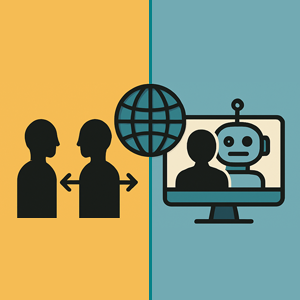
 Events are no longer limited to physical venues or online screens. The most forward-thinking brands are creating hybrid event ecosystems that blend in-person engagement with AI-driven virtual experiences. These ecosystems are designed to maximize reach, personalize interactions, and build lasting connections between attendees, whether they are sitting in a conference hall or joining remotely.
The Shift to Hybrid Event Design
Traditional events focused on logistics like locations, speakers, and schedules. Modern hybrid events focus on experience orchestration. By merging live, virtual, and asynchronous components, companies can engage diverse audiences across time zones and preferences. This model reduces barriers to participation and makes events more inclusive and accessible.
The hybrid format does not just replicate an in-person experience online. It extends it. Virtual attendees can benefit from AI-enhanced networking, automated matchmaking, and personalized agendas, while in-person guests can interact with digital twins of booths, AI chat assistants, and interactive displays that sync in real time with virtual participants.
AI-Powered Virtual Touchpoints
AI technology is reshaping how B2B marketers engage before, during, and after events. Intelligent systems can analyze attendee profiles to suggest relevant sessions, recommend product demos, or generate personalized recap videos. Conversational AI tools allow participants to interact with speakers, sponsors, and peers without waiting for live Q&A sessions, ensuring engagement continues long after the event concludes.
Generative AI is also driving richer content experiences. Event platforms can use speech-to-text and natural language processing to create summaries, highlight reels, and keyword-based clips for on-demand viewing. This approach turns live moments into evergreen assets that support post-event nurture campaigns and long-term demand generation.
Integrating Asynchronous Content
Hybrid event ecosystems work best when they blend synchronous and asynchronous engagement. While live sessions provide immediacy and excitement, pre-recorded or AI-curated content extends the event lifecycle. Attendees who cannot join live can still engage with on-demand sessions, leave comments, and interact through AI-moderated forums.
This asynchronous layer is essential for global audiences and sustained lead nurturing. Brands can analyze post-event behavior to see what topics drive engagement and use those insights to shape content strategy, product marketing, and sales enablement.
Designing for Connection and Continuity
Successful hybrid event ecosystems prioritize connection over channels. They use technology to make human experiences more meaningful, not to replace them. This involves integrating CRM systems, event apps, and AI analytics tools to create a continuous feedback loop that connects physical interactions with digital insights.
For example, a salesperson who meets a prospect at an in-person session can follow up through the virtual platform with AI-generated recommendations based on the attendee’s interests. Similarly, virtual participants can book in-person demos or one-on-one consultations, creating a seamless bridge between live and digital engagement.
The Future of B2B Events
Hybrid ecosystems represent the next stage of event marketing, where every touchpoint, human or AI, contributes to a unified journey. By merging the sensory appeal of live experiences with the intelligence and scalability of AI-powered virtual environments, B2B brands can deepen relationships, extend event impact, and turn every interaction into actionable insight.
The future of events is not about choosing between physical or virtual. It is about designing systems where both coexist, and where every connection, no matter how it happens, feels personal, seamless, and intelligent.
