
Quick Definition
AI data infrastructure refers to the systems, pipelines, and technologies that collect, process, store, and deliver data to AI models in a usable and timely format.
AI Summary
AI performance is no longer limited by model capabilities but by how effectively data is managed and delivered. As use cases like RAG, vector search, and real-time AI applications grow, organizations must prioritize scalable, integrated, and high-quality data pipelines. Without strong data infrastructure, even the most advanced AI models will fail to produce accurate, timely, and valuable results.
Key Takeaways
- Data pipelines, not models, are now the primary bottleneck for AI success.
- Vector databases and real-time data access are becoming essential for modern AI applications like RAG.
- Improving data quality and system integration often delivers more impact than upgrading AI models.
Who Should Read This
IT leaders, data engineers, AI/ML teams, enterprise architects, and business decision-makers looking to scale AI initiatives effectively.
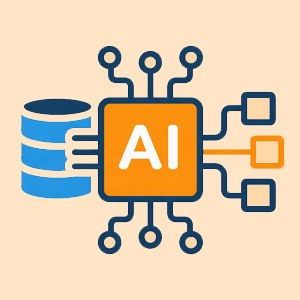 Your AI Is Only as Good as Your Data Infrastructure
Frequently Asked Questions
Why is data infrastructure more important than AI models now?
Most organizations already have access to powerful AI models, but without clean, accessible, and well-structured data, those models cannot perform effectively or deliver accurate outputs.
What role do vector databases play in AI?
Vector databases enable AI systems to perform similarity-based searches, which is critical for applications like RAG that rely on retrieving relevant context from large datasets.
What is the difference between real-time and batch data pipelines?
Batch pipelines process data in scheduled intervals, while real-time pipelines continuously process data as it is generated, enabling faster and more responsive AI applications.
