Hiring Without Borders: The Global Workforce Stack

Quick Definition

Global workforce platforms are software solutions that enable companies to hire, pay, and manage employees and contractors across multiple countries while ensuring compliance with local labor laws, taxes, and regulations.

AI Summary

As companies expand beyond geographic boundaries, platforms like Deel, Papaya Global, Oyster HR, and Rippling are becoming essential infrastructure for managing international hiring, payroll, and compliance. These tools simplify global expansion by centralizing operations such as Employer of Record services, payments, and benefits. The result is faster hiring, reduced risk, and scalable workforce management across borders.

Key Takeaways

  • Global workforce platforms are turning international hiring from a complex process into a scalable, repeatable system.
  • EOR, payroll, and compliance capabilities are now essential for companies competing for global talent.
  • The future of workforce management is centralized, data-driven, and built for distributed teams.

Who Should Read This

HR leaders managing distributed or remote teams Finance and operations teams handling global payroll Business leaders expanding into international markets Startups and mid-sized companies scaling globally Enterprise teams optimizing workforce infrastructure
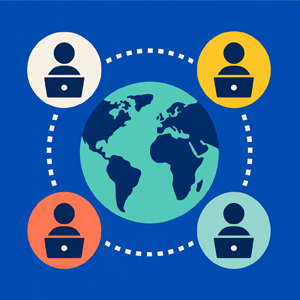
Global Payroll & Distributed Workforce PlatformsThe way companies hire has changed, and it is not slowing down. Teams are no longer limited by geography, and businesses are building workforces that span continents, time zones, and regulatory environments. What used to be a complex, high-risk process is now becoming operationally achievable thanks to a new category of platforms built specifically for global hiring, payroll, and compliance.

At the center of this shift is a growing reliance on global payroll and distributed workforce platforms. These solutions are designed to simplify the legal, financial, and operational challenges that come with hiring internationally, which have historically slowed expansion. Instead of setting up entities in every country or navigating unfamiliar labor laws, companies can now use a centralized platform to manage everything from onboarding to payments and compliance.

This is what makes platforms like Deel, Papaya Global, Oyster HR, and Rippling so relevant right now. They are not just tools that assist HR teams with administrative work, but foundational systems that enable companies to operate globally by default. As distributed work becomes the norm rather than the exception, these platforms are quickly becoming essential infrastructure.

Why Global Workforce Platforms Are Surging

Hiring internationally used to mean opening a legal entity in each country, hiring local legal counsel, and building payroll systems from scratch. That model is slow, expensive, and difficult to scale, especially for companies that need to move quickly or test new markets. Today’s workforce demands flexibility, and businesses need infrastructure that can keep up with evolving hiring strategies.

Global workforce platforms solve this by offering Employer of Record services, localized payroll, tax compliance, and benefits administration in one place. This allows companies to hire talent anywhere while staying compliant with local regulations, which removes one of the biggest barriers to global expansion. The result is faster hiring, lower risk, and significantly reduced operational overhead for both HR and finance teams.

Another factor driving adoption is the competition for talent, which has expanded beyond local and even national markets. Companies are no longer competing within their immediate regions, they are competing globally for highly skilled workers. Access to international talent pools is no longer a nice-to-have, it is a strategic advantage that directly impacts growth and innovation.

The Core Capabilities of the Global Workforce Stack

While each platform has its own strengths, they all deliver a core set of capabilities that define this category. These features are designed to remove friction from global hiring and ensure that companies can scale internationally without taking on unnecessary risk. Understanding these capabilities helps explain why these platforms are becoming central to modern workforce strategies.

Employer of Record (EOR)
EOR services allow companies to hire employees in countries where they do not have a legal entity. The platform acts as the legal employer on paper while the company manages the day-to-day work and responsibilities. This removes one of the biggest barriers to global hiring and makes international expansion significantly more accessible.

Global Payroll & Payments
Managing payroll across multiple countries involves different currencies, tax systems, and reporting requirements. These platforms centralize payroll processing while ensuring compliance with local laws and regulations. This not only simplifies operations but also reduces the risk of costly errors in international payments.

Compliance & Risk Management
Labor laws vary significantly from country to country, and they are constantly evolving. From termination rules to benefits requirements, compliance is complex and often difficult to track internally. Global workforce platforms handle these nuances, helping companies stay compliant while reducing exposure to legal and financial risks.

Contractor Management
Many companies rely on international contractors as part of their workforce strategy, especially when entering new markets. These platforms help manage contracts, payments, and classification to avoid misclassification risks, which can lead to penalties. They also provide a structured way to scale contractor relationships into full-time employment if needed.

Benefits & Localized Offerings
Offering competitive benefits globally requires localized knowledge and access to regional providers. These platforms provide access to country-specific benefits packages that align with local expectations and regulations. This helps companies remain competitive when hiring internationally while improving employee satisfaction and retention.

How These Platforms Compare

While they share a common purpose, each platform brings a slightly different approach to the global workforce stack. These differences often come down to target audience, depth of functionality, and how each platform balances flexibility with control. Understanding these distinctions can help organizations choose the right solution based on their specific needs.

Deel is often seen as one of the fastest-moving players in this space. They focus heavily on speed and ease of onboarding, making it simple for companies to hire internationally within days instead of months. Their strength lies in combining EOR, contractor management, and global payroll into a streamlined experience that prioritizes usability and scalability.

Papaya Global leans more into enterprise-grade payroll and payments infrastructure. They are particularly strong in managing complex payroll operations across large organizations, with a focus on automation, analytics, and financial control. This makes them a strong fit for enterprises that need visibility and consistency across multiple regions.

Oyster HR positions itself as a platform built specifically for remote-first companies. They emphasize compliance, employee experience, and global benefits, which makes them appealing to organizations focused on building long-term distributed teams. Their approach aligns well with companies that prioritize culture and engagement across international workforces.

Rippling takes a broader approach by combining HR, IT, and finance into one system. While they offer global payroll and EOR capabilities, their real differentiation is in unifying employee data across systems and workflows. This is especially valuable for companies looking to consolidate tools and create a more connected internal infrastructure.

The Operational Impact on Businesses

Adopting a global workforce platform changes how companies operate at a foundational level. Hiring timelines shrink from months to days, and expansion into new markets becomes far more accessible than it was in the past. Companies can also experiment with new regions without committing to long-term infrastructure investments.

There is also a financial impact that goes beyond simple cost savings. Instead of investing heavily in legal entities and local payroll systems, companies can operate with a more flexible and predictable cost structure. This is particularly important for startups and mid-sized companies that need to scale quickly without overextending their resources.

At the same time, these platforms help reduce compliance risk, which can be one of the most costly and unpredictable aspects of global hiring. By outsourcing complexity to specialized platforms, companies can focus more on growth and less on administrative burden. This shift allows internal teams to operate more strategically rather than reactively.

What to Watch Moving Forward

This category is evolving quickly, and the next phase will likely go beyond payroll and compliance. Platforms are starting to incorporate deeper analytics, workforce planning tools, and integrations with broader HR ecosystems. The goal is to move from operational support to strategic workforce intelligence that helps guide business decisions.

There is also increasing overlap between global workforce platforms and traditional HCM systems. As companies look to consolidate tools, platforms that can bridge global hiring with core HR, finance, and IT systems will have a strong advantage. This convergence is likely to reshape how organizations think about their overall tech stack.

Another trend to watch is regulation, which continues to evolve alongside global hiring practices. As governments respond to the rise of remote work and distributed teams, compliance requirements may become more complex. Platforms that can adapt quickly to regulatory changes will be critical for companies operating across multiple jurisdictions.

Final Thoughts

The global workforce is no longer a future concept, it is already here and actively reshaping how companies operate. Organizations that embrace distributed hiring are gaining access to broader talent pools, increasing agility, and building more resilient teams. This shift is not temporary, it is becoming a long-term standard.

Platforms like Deel, Papaya Global, Oyster HR, and Rippling are making that shift possible by turning what used to be operational friction into a scalable system. They are helping companies move faster, reduce risk, and rethink what it means to build a workforce. Hiring without borders is no longer a workaround, it is becoming the standard operating model for modern businesses.

Frequently Asked Questions

What is an Employer of Record (EOR)?

An EOR is a third-party organization that legally employs workers on behalf of a company in another country, handling compliance, payroll, and benefits while the company manages the employee’s work.

Why are global payroll platforms important?

They simplify paying employees across different countries by managing currencies, taxes, and compliance requirements in one centralized system.

How do these platforms reduce risk?

They ensure adherence to local labor laws and tax regulations, helping companies avoid fines, misclassification issues, and legal complications.